
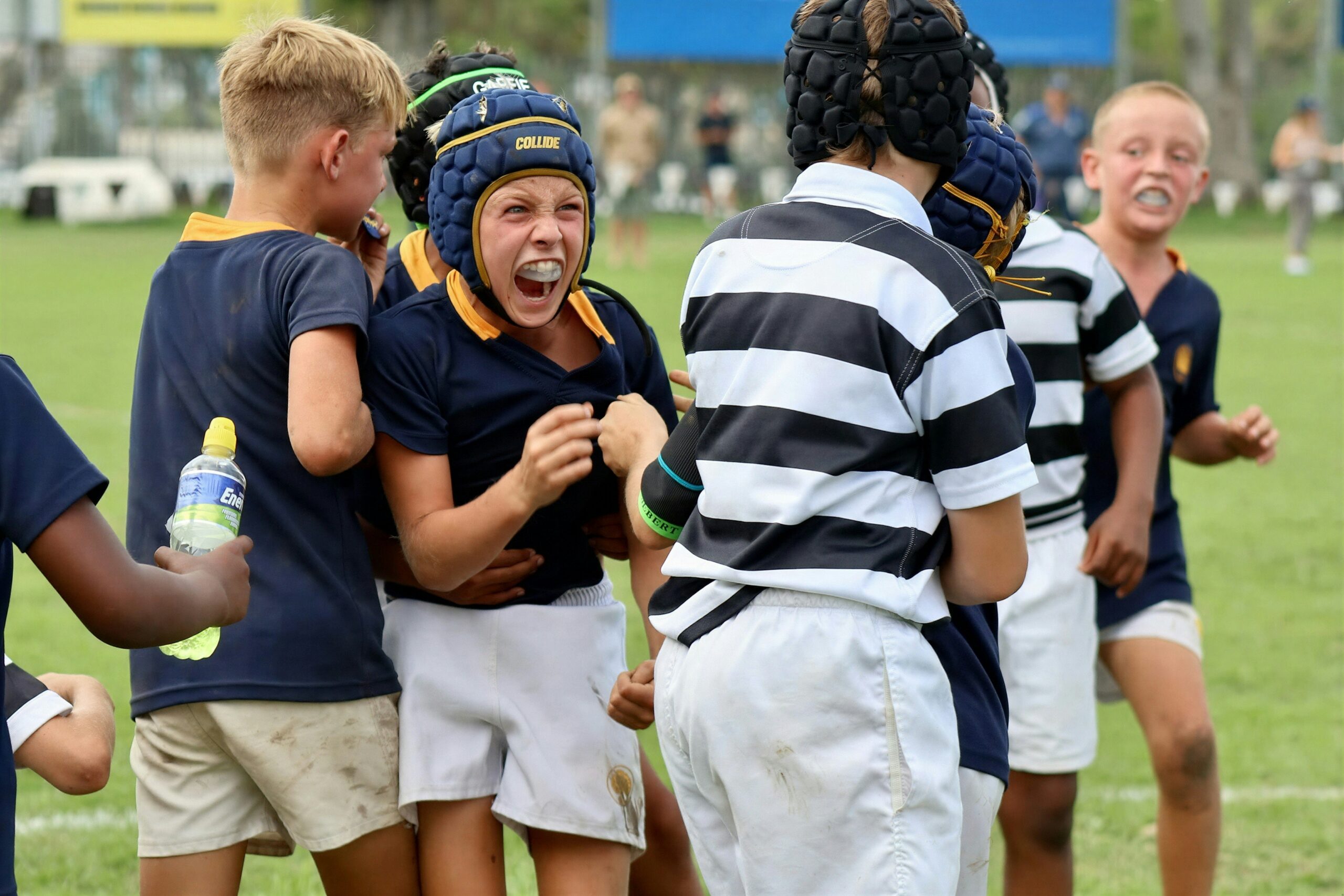
Back to school time means it’s time to consider all the ways your kids can protect their smiles—especially if they play contact sports or team sports! For active kids and teens who are at risk of falls, collisions, and impacts to the face, sports mouthguards protect teeth and mouth tissue. With the right fit, a sports mouthguard acts as a safeguard against broken or cracked teeth as well as injuries to the lips, cheeks, gums, and other soft tissues of the mouth.
Dr. Ashley Kerslake of Dental Health Partners knows the importance of protecting athletes both as a dentist and as a former high school and collegiate softball player.
“Team sports provide so many benefits to student athletes, but accidents are an inevitable part of the game. Throughout my years playing sports, I’ve seen everything from an elbow to the face in basketball to a bad hop on a ground ball or a simple trip and fall. We always think, ‘That’ll never happen to me,’ until it does,” she says. “A properly fitted mouthguard is such a simple way to protect your teeth. Plan ahead and make sure your athlete is protected before their sports season begins.”
Sports Mouthguards Protect Players’ Teeth
In football and rugby, it is clear that mouthguards are necessary. But remember that in other field sports like soccer, lacrosse, and field hockey—and even baseball and softball—players can collide or trip while running. In basketball and volleyball, a player can land on the floor with the potential for their head or jaw to hit the floor, which can be a jarring experience that can crack teeth. Gymnastics can also be hazardous to teeth when the gymnast falls.
If an individual has metal braces, a softer mouthguard can help protect the mouth tissue from injury from the metal. For kids who wear clear aligners such as CandidPro™, they may experience some protection from the professionally fitted aligners.
Remember this tip: Wear sports mouthguards during practice as well as games.
What Sports Need Mouthguards
Contact sports always require mouthguards. In Iowa, high school and college sports requiring mouthguards include football, wrestling, lacrosse, and field and ice hockey. In these sports, it is common to have collisions with other players. Collisions can result in injuries to the head and face, including concussions and broken teeth. For maximum protection, sports mouthguards should be worn during practice and scrimmages as well as games and matches.
While mouthguards aren’t required for all sports, Dental Health Partners recommends them for team sports and sports with hard equipment that can break teeth. Why team sports? The more players on the field, the more likely players will be to run into each other or to trip and fall.
Consider sports mouthguards a best practice for safely participating in the following sports and activities:
- Football
- Basketball
- Soccer
- Ice Hockey
- Wrestling
- Baseball
- Softball
- Volleyball
- Gymnastics
- Skateboarding
- Karate or Tae Kwon Do
- Rugby
Whether your child plays on a field, diamond, court, or mat, they could benefit from a sports mouthguard.
Sports Mouthguard Options
Several levels of sports mouthguards are available, from stock mouthguards you can buy off the shelf at sporting goods stores to custom mouthguards fitted by your family dentist.
When shopping for mouthguards, our dentists recommend asking about your options at your dental appointment or calling us for a recommendation. We can help you find a mouthguard that fits your needs and your budget. Remember that a sports mouthguard is well worth the cost if it prevents broken or cracked teeth, which will result in a large, unbudgeted expense.
“Preventing a tooth injury is always more affordable. If someone does break a tooth during a Cedar Rapids game, we can provide emergency treatment,” says Dr. Paula Kral, DDS. “That may involve a temporary solution to ease discomfort until they can be scheduled for their tooth repair.”
Dental Health Partners invites you to get in touch before your child starts a sport to ensure they have the mouthguard protection they need to play their sports safely. Contact us today to ask about sports mouthguards.
Sports Mouthguard FAQ
When should children start wearing sports mouthguards?
Because broken teeth can be a costly and unexpected expense, children can begin wearing sports mouthguards as soon as parents or coaches would like them to. With young children, the better option might be over-the-counter sports mouthguards because they are inexpensive and moldable to their teeth. As children get older, protecting their permanent teeth becomes the goal. While they cost more, custom sports mouthguards may be more comfortable and protective than retail options. If a child is serious about sports, it may be worthwhile to invest in a custom sports mouthguard. As always, ask Dr. Paula or Dr. Ashley to recommend options that fit your budget.
Do clear aligners work as sports mouthguards?
Clear aligners may help protect teeth from everyday impacts, but they are not designed for sports protection. If you have aligners or are considering clear aligners, ask your dentist how to best protect teeth from sports injuries.
What can be done for a broken tooth?
When a tooth breaks or chips during sports, Dental Health Partners will evaluate the break and determine your options for tooth repair. Call the office as soon as possible to get on the schedule. The options may include a crown or composite bonding. Unfortunately, some broken teeth cannot be repaired, and extraction is required. Our experienced and caring dentists will help you determine a treatment plan.